Buy familysearch.eu ?
We are moving the project
familysearch.eu .
Are you interested in purchasing the domain
familysearch.eu ?
domain@kv-gmbh.de · 0541-91531010
Buy familysearch.eu ?
What is better for genealogy research, Ancestry or MyHeritage?
Both Ancestry and MyHeritage are popular genealogy research platforms, and the choice between the two ultimately depends on individual preferences and needs. Ancestry has a larger database of historical records and documents, making it a great choice for those looking to delve deep into their family history. On the other hand, MyHeritage offers a more global approach, with a focus on international records and DNA testing. Both platforms have their own unique features and strengths, so it's best to explore both and see which one aligns best with your research goals. **
What is more useful for genealogy research: Ancestry or MyHeritage?
Both Ancestry and MyHeritage are useful for genealogy research, but they have different strengths. Ancestry has a larger database of historical records and documents, making it a valuable resource for building family trees and finding historical records. On the other hand, MyHeritage offers a more global approach with a focus on international records and DNA testing, making it useful for those with ancestors from outside the United States. Ultimately, the choice between the two depends on the specific needs and research goals of the individual genealogist. **


Similar search terms for Reducing
Top-Angebote
Products related to Reducing:
-
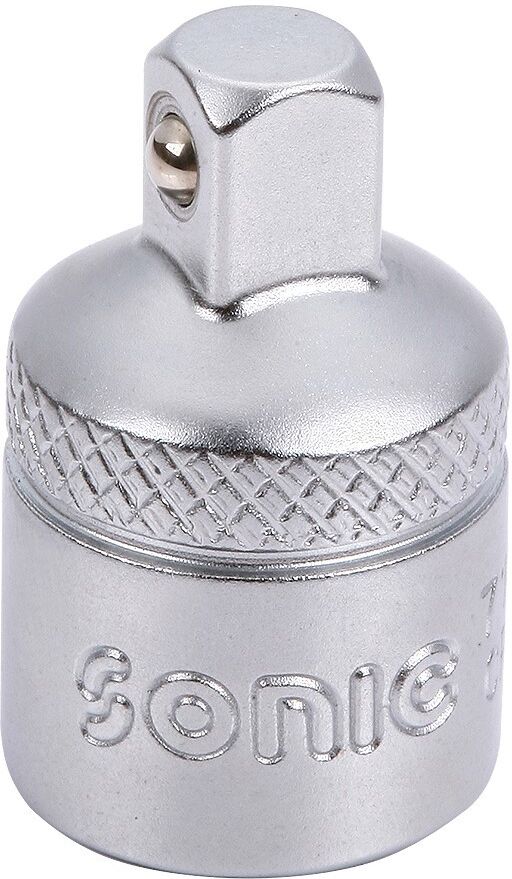
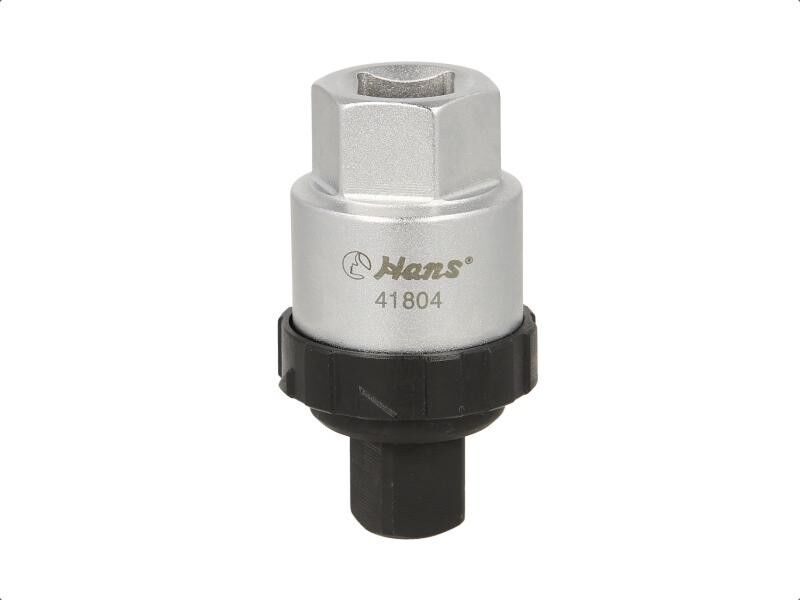
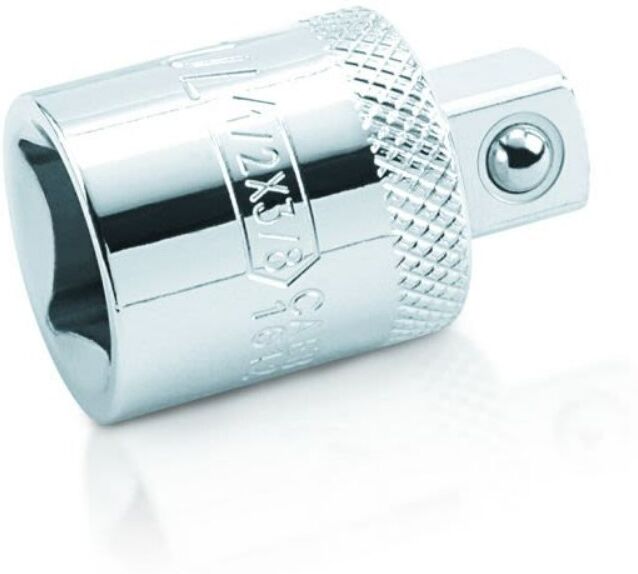
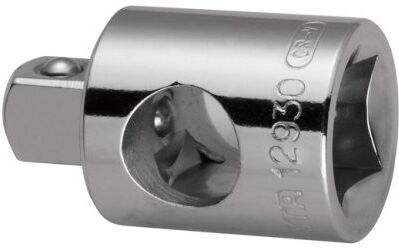
VIGOR V2109 Reducing Adapter, ratchetLength 2 [mm]: 36; Hex drive tang dim. [mm (in)]: 10 (3/8); Operating Mode: Manual (hand operated); Square Drive Tang Size [mm (inch)]: 12.5 (1/2); Drive side (profile): Rectangle; Supplementary Info: Adapter 16,99 £*Shipping: 8,45 £Secure redirect to the provider


-
Which DNA tests are best for genealogy research?
The best DNA tests for genealogy research are those offered by AncestryDNA, 23andMe, and MyHeritage. These tests provide a wide range of genetic information and have large databases for matching with potential relatives. AncestryDNA and 23andMe are particularly popular for their extensive databases and comprehensive ancestry reports, while MyHeritage offers a unique feature of matching with individuals who have uploaded their DNA data from other testing companies. Overall, these tests are highly recommended for genealogy research due to their accuracy and the potential for finding genetic relatives. **
-
How can one conduct genealogy research using DNA tests?
To conduct genealogy research using DNA tests, one can start by choosing a reputable DNA testing company and ordering a DNA test kit. Once the kit arrives, follow the instructions to collect a DNA sample, typically through a saliva sample. After sending the sample back to the company, wait for the results to be processed. The results will provide information about one's genetic ethnicity and potential matches with other individuals who share DNA. By comparing these matches with known family history and genealogy records, one can potentially uncover new information about their ancestry and family connections. **
-
How can reducing and non-reducing sugars be detected?
Reducing sugars can be detected using Benedict's test, in which the reducing sugar is heated with Benedict's reagent and a color change from blue to green, yellow, orange, or red indicates the presence of reducing sugars. Non-reducing sugars can be detected by first hydrolyzing them into reducing sugars using acid hydrolysis, and then performing the Benedict's test to detect the presence of reducing sugars. Another method to detect reducing and non-reducing sugars is through chromatography, where the sugars are separated based on their interactions with a stationary phase and a mobile phase, and then visualized using specific detection methods. **
-
Are halogens reducing agents?
No, halogens are not reducing agents. In chemical reactions, reducing agents are substances that donate electrons to other reactants, causing them to be reduced. Halogens, on the other hand, are highly electronegative elements that tend to gain electrons rather than lose them, making them more likely to act as oxidizing agents. **
When is sugar reducing?
Sugar is reducing when it undergoes a chemical reaction that breaks down its molecular structure, resulting in a decrease in its overall concentration. This reduction can occur when sugar is heated, such as when caramelizing sugar to make caramel, or when sugar is fermented by yeast to produce alcohol. Additionally, sugar can also be reduced through enzymatic reactions, where enzymes break down sugar molecules into simpler forms. **
What are reducing sugars?
Reducing sugars are a type of sugar that have the ability to reduce other substances, particularly by donating electrons. This is due to the presence of a free aldehyde or ketone group in their chemical structure. Common examples of reducing sugars include glucose, fructose, and maltose. When reducing sugars react with certain compounds, they can cause a color change, such as in the Benedict's test for detecting the presence of reducing sugars. **
Top-Angebote
Products related to Reducing:
-
What is better for genealogy research, Ancestry or MyHeritage?
Both Ancestry and MyHeritage are popular genealogy research platforms, and the choice between the two ultimately depends on individual preferences and needs. Ancestry has a larger database of historical records and documents, making it a great choice for those looking to delve deep into their family history. On the other hand, MyHeritage offers a more global approach, with a focus on international records and DNA testing. Both platforms have their own unique features and strengths, so it's best to explore both and see which one aligns best with your research goals. **
-
What is more useful for genealogy research: Ancestry or MyHeritage?
Both Ancestry and MyHeritage are useful for genealogy research, but they have different strengths. Ancestry has a larger database of historical records and documents, making it a valuable resource for building family trees and finding historical records. On the other hand, MyHeritage offers a more global approach with a focus on international records and DNA testing, making it useful for those with ancestors from outside the United States. Ultimately, the choice between the two depends on the specific needs and research goals of the individual genealogist. **
-
Which DNA tests are best for genealogy research?
The best DNA tests for genealogy research are those offered by AncestryDNA, 23andMe, and MyHeritage. These tests provide a wide range of genetic information and have large databases for matching with potential relatives. AncestryDNA and 23andMe are particularly popular for their extensive databases and comprehensive ancestry reports, while MyHeritage offers a unique feature of matching with individuals who have uploaded their DNA data from other testing companies. Overall, these tests are highly recommended for genealogy research due to their accuracy and the potential for finding genetic relatives. **
-
How can one conduct genealogy research using DNA tests?
To conduct genealogy research using DNA tests, one can start by choosing a reputable DNA testing company and ordering a DNA test kit. Once the kit arrives, follow the instructions to collect a DNA sample, typically through a saliva sample. After sending the sample back to the company, wait for the results to be processed. The results will provide information about one's genetic ethnicity and potential matches with other individuals who share DNA. By comparing these matches with known family history and genealogy records, one can potentially uncover new information about their ancestry and family connections. **
Similar search terms for Reducing
-
VIGOR V2109 Reducing Adapter, ratchetLength 2 [mm]: 36; Hex drive tang dim. [mm (in)]: 10 (3/8); Operating Mode: Manual (hand operated); Square Drive Tang Size [mm (inch)]: 12.5 (1/2); Drive side (profile): Rectangle; Supplementary Info: Adapter 16,99 £*Shipping: 8,45 £Secure redirect to the provider
-
How can reducing and non-reducing sugars be detected?
Reducing sugars can be detected using Benedict's test, in which the reducing sugar is heated with Benedict's reagent and a color change from blue to green, yellow, orange, or red indicates the presence of reducing sugars. Non-reducing sugars can be detected by first hydrolyzing them into reducing sugars using acid hydrolysis, and then performing the Benedict's test to detect the presence of reducing sugars. Another method to detect reducing and non-reducing sugars is through chromatography, where the sugars are separated based on their interactions with a stationary phase and a mobile phase, and then visualized using specific detection methods. **
-
Are halogens reducing agents?
No, halogens are not reducing agents. In chemical reactions, reducing agents are substances that donate electrons to other reactants, causing them to be reduced. Halogens, on the other hand, are highly electronegative elements that tend to gain electrons rather than lose them, making them more likely to act as oxidizing agents. **
-
When is sugar reducing?
Sugar is reducing when it undergoes a chemical reaction that breaks down its molecular structure, resulting in a decrease in its overall concentration. This reduction can occur when sugar is heated, such as when caramelizing sugar to make caramel, or when sugar is fermented by yeast to produce alcohol. Additionally, sugar can also be reduced through enzymatic reactions, where enzymes break down sugar molecules into simpler forms. **
-
What are reducing sugars?
Reducing sugars are a type of sugar that have the ability to reduce other substances, particularly by donating electrons. This is due to the presence of a free aldehyde or ketone group in their chemical structure. Common examples of reducing sugars include glucose, fructose, and maltose. When reducing sugars react with certain compounds, they can cause a color change, such as in the Benedict's test for detecting the presence of reducing sugars. **
* All prices are inclusive of VAT and, if applicable, plus shipping costs. The offer information is based on the details provided by the respective shop and is updated through automated processes. Real-time updates do not occur, so deviations can occur in individual cases. ** Note: Parts of this content were created by AI.