Buy familysearch.eu ?
We are moving the project
familysearch.eu .
Are you interested in purchasing the domain
familysearch.eu ?
domain@kv-gmbh.de · 0541-91531010
Buy familysearch.eu ?
What is better for genealogy research, Ancestry or MyHeritage?
Both Ancestry and MyHeritage are popular genealogy research platforms, and the choice between the two ultimately depends on individual preferences and needs. Ancestry has a larger database of historical records and documents, making it a great choice for those looking to delve deep into their family history. On the other hand, MyHeritage offers a more global approach, with a focus on international records and DNA testing. Both platforms have their own unique features and strengths, so it's best to explore both and see which one aligns best with your research goals. **
What is more useful for genealogy research: Ancestry or MyHeritage?
Both Ancestry and MyHeritage are useful for genealogy research, but they have different strengths. Ancestry has a larger database of historical records and documents, making it a valuable resource for building family trees and finding historical records. On the other hand, MyHeritage offers a more global approach with a focus on international records and DNA testing, making it useful for those with ancestors from outside the United States. Ultimately, the choice between the two depends on the specific needs and research goals of the individual genealogist. **

Similar search terms for Measure
Top-Angebote
Products related to Measure:


-
Which DNA tests are best for genealogy research?
The best DNA tests for genealogy research are those offered by AncestryDNA, 23andMe, and MyHeritage. These tests provide a wide range of genetic information and have large databases for matching with potential relatives. AncestryDNA and 23andMe are particularly popular for their extensive databases and comprehensive ancestry reports, while MyHeritage offers a unique feature of matching with individuals who have uploaded their DNA data from other testing companies. Overall, these tests are highly recommended for genealogy research due to their accuracy and the potential for finding genetic relatives. **
-
How can one conduct genealogy research using DNA tests?
To conduct genealogy research using DNA tests, one can start by choosing a reputable DNA testing company and ordering a DNA test kit. Once the kit arrives, follow the instructions to collect a DNA sample, typically through a saliva sample. After sending the sample back to the company, wait for the results to be processed. The results will provide information about one's genetic ethnicity and potential matches with other individuals who share DNA. By comparing these matches with known family history and genealogy records, one can potentially uncover new information about their ancestry and family connections. **
-
Is it worth it to do genealogy/family history research yourself?
Yes, doing genealogy and family history research yourself can be worth it for several reasons. It can provide a deeper understanding of your family's roots, traditions, and cultural heritage. It can also help you connect with living relatives and build a sense of belonging and identity. Additionally, the process of researching and uncovering your family history can be a rewarding and fulfilling experience, allowing you to piece together the puzzle of your ancestry and create a tangible record for future generations. **
-
Can DNA tests for genealogy research be conducted at public universities and institutes?
Yes, DNA tests for genealogy research can be conducted at public universities and institutes. Many public universities and research institutions have the necessary facilities and expertise to conduct DNA testing for genealogy purposes. These institutions often have specialized labs and researchers who can analyze DNA samples to provide information about an individual's ancestry and genetic heritage. Additionally, public universities and institutes may also offer educational programs and resources for individuals interested in learning more about genetic genealogy and DNA testing. **


What is the DNA Ancestry Test?
The DNA Ancestry Test is a genetic test that analyzes an individual's DNA to provide information about their ethnic and geographic origins. It can help people trace their ancestry back to specific regions or populations around the world. The test compares the individual's DNA to reference databases of genetic markers from different populations to estimate their genetic ancestry. This can provide insights into a person's heritage and help them better understand their genetic background. **
How do I measure a tape measure?
To measure with a tape measure, first locate the end of the tape and line it up with the starting point of the object you want to measure. Then, pull the tape measure along the object until you reach the end point. Take note of the measurement where the end of the object lines up with the tape measure. Make sure to read the measurement at eye level to ensure accuracy. If the tape measure has both imperial and metric units, be sure to use the correct units for your measurement. **
Top-Angebote
Products related to Measure:
-
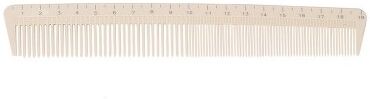
Bifull Cutting Comb 10 Measure Line Measure scale 19cmHealth and Beauty Brushes Bifull Cutting Comb 10 Measure Line Measure scale 19cm High-quality professional combs with built-in ruler for precise measurements. The length of the hair can be measured during cutting or styling. Ideal for teaching, easily readable. Polycarbonate material, durable and hard to break, chemical resistant and heat resistant. Perfect spike finish to protect the scalp. Comb cut 10cm.2,05 £*Shipping: 3,99 £Secure redirect to the provider
-
What is better for genealogy research, Ancestry or MyHeritage?
Both Ancestry and MyHeritage are popular genealogy research platforms, and the choice between the two ultimately depends on individual preferences and needs. Ancestry has a larger database of historical records and documents, making it a great choice for those looking to delve deep into their family history. On the other hand, MyHeritage offers a more global approach, with a focus on international records and DNA testing. Both platforms have their own unique features and strengths, so it's best to explore both and see which one aligns best with your research goals. **
-
What is more useful for genealogy research: Ancestry or MyHeritage?
Both Ancestry and MyHeritage are useful for genealogy research, but they have different strengths. Ancestry has a larger database of historical records and documents, making it a valuable resource for building family trees and finding historical records. On the other hand, MyHeritage offers a more global approach with a focus on international records and DNA testing, making it useful for those with ancestors from outside the United States. Ultimately, the choice between the two depends on the specific needs and research goals of the individual genealogist. **
-
Which DNA tests are best for genealogy research?
The best DNA tests for genealogy research are those offered by AncestryDNA, 23andMe, and MyHeritage. These tests provide a wide range of genetic information and have large databases for matching with potential relatives. AncestryDNA and 23andMe are particularly popular for their extensive databases and comprehensive ancestry reports, while MyHeritage offers a unique feature of matching with individuals who have uploaded their DNA data from other testing companies. Overall, these tests are highly recommended for genealogy research due to their accuracy and the potential for finding genetic relatives. **
-
How can one conduct genealogy research using DNA tests?
To conduct genealogy research using DNA tests, one can start by choosing a reputable DNA testing company and ordering a DNA test kit. Once the kit arrives, follow the instructions to collect a DNA sample, typically through a saliva sample. After sending the sample back to the company, wait for the results to be processed. The results will provide information about one's genetic ethnicity and potential matches with other individuals who share DNA. By comparing these matches with known family history and genealogy records, one can potentially uncover new information about their ancestry and family connections. **
Similar search terms for Measure
-
Is it worth it to do genealogy/family history research yourself?
Yes, doing genealogy and family history research yourself can be worth it for several reasons. It can provide a deeper understanding of your family's roots, traditions, and cultural heritage. It can also help you connect with living relatives and build a sense of belonging and identity. Additionally, the process of researching and uncovering your family history can be a rewarding and fulfilling experience, allowing you to piece together the puzzle of your ancestry and create a tangible record for future generations. **
-
Can DNA tests for genealogy research be conducted at public universities and institutes?
Yes, DNA tests for genealogy research can be conducted at public universities and institutes. Many public universities and research institutions have the necessary facilities and expertise to conduct DNA testing for genealogy purposes. These institutions often have specialized labs and researchers who can analyze DNA samples to provide information about an individual's ancestry and genetic heritage. Additionally, public universities and institutes may also offer educational programs and resources for individuals interested in learning more about genetic genealogy and DNA testing. **
-
What is the DNA Ancestry Test?
The DNA Ancestry Test is a genetic test that analyzes an individual's DNA to provide information about their ethnic and geographic origins. It can help people trace their ancestry back to specific regions or populations around the world. The test compares the individual's DNA to reference databases of genetic markers from different populations to estimate their genetic ancestry. This can provide insights into a person's heritage and help them better understand their genetic background. **
-
How do I measure a tape measure?
To measure with a tape measure, first locate the end of the tape and line it up with the starting point of the object you want to measure. Then, pull the tape measure along the object until you reach the end point. Take note of the measurement where the end of the object lines up with the tape measure. Make sure to read the measurement at eye level to ensure accuracy. If the tape measure has both imperial and metric units, be sure to use the correct units for your measurement. **
* All prices are inclusive of VAT and, if applicable, plus shipping costs. The offer information is based on the details provided by the respective shop and is updated through automated processes. Real-time updates do not occur, so deviations can occur in individual cases. ** Note: Parts of this content were created by AI.