Buy familysearch.eu ?
We are moving the project
familysearch.eu .
Are you interested in purchasing the domain
familysearch.eu ?
domain@kv-gmbh.de · 0541-91531010
Buy familysearch.eu ?
What is genetic linkage 2?
Genetic linkage 2 refers to the phenomenon where two genes are located close to each other on the same chromosome, resulting in a higher likelihood of them being inherited together. This means that these genes are less likely to undergo independent assortment during meiosis. Genetic linkage 2 can be measured by the frequency of recombination events between the two genes, with a lower frequency indicating stronger linkage. This concept is important in genetic studies as it can help determine the relative positions of genes on a chromosome and can be used to create genetic maps. **
What is better for genealogy research, Ancestry or MyHeritage?
Both Ancestry and MyHeritage are popular genealogy research platforms, and the choice between the two ultimately depends on individual preferences and needs. Ancestry has a larger database of historical records and documents, making it a great choice for those looking to delve deep into their family history. On the other hand, MyHeritage offers a more global approach, with a focus on international records and DNA testing. Both platforms have their own unique features and strengths, so it's best to explore both and see which one aligns best with your research goals. **
Similar search terms for Linkage
Top-Angebote
Products related to Linkage:
-
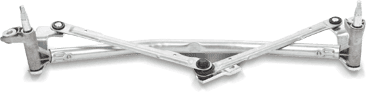
AIC 58804 Wiper LinkageFitting Position: Front; Supplementary Article / Supplementary Info: without electric motor; Left-/right-hand drive vehicles: for left-hand drive vehicles; Production date to: 19.07.2018; Guarantee: 5 years guarantee or up to 75,000km51,49 £*Shipping: 8,45 £Secure redirect to the provider


-
Can you explain linkage in genetics?
Linkage in genetics refers to the tendency of genes that are located close to each other on a chromosome to be inherited together. This is because these genes are physically linked and are less likely to be separated during the process of genetic recombination. The closer two genes are on a chromosome, the lower the chance that they will be separated by crossing over events during meiosis. Linkage can be used to map the relative positions of genes on a chromosome and is an important concept in understanding inheritance patterns. **
-
What is more useful for genealogy research: Ancestry or MyHeritage?
Both Ancestry and MyHeritage are useful for genealogy research, but they have different strengths. Ancestry has a larger database of historical records and documents, making it a valuable resource for building family trees and finding historical records. On the other hand, MyHeritage offers a more global approach with a focus on international records and DNA testing, making it useful for those with ancestors from outside the United States. Ultimately, the choice between the two depends on the specific needs and research goals of the individual genealogist. **
-
Which DNA tests are best for genealogy research?
The best DNA tests for genealogy research are those offered by AncestryDNA, 23andMe, and MyHeritage. These tests provide a wide range of genetic information and have large databases for matching with potential relatives. AncestryDNA and 23andMe are particularly popular for their extensive databases and comprehensive ancestry reports, while MyHeritage offers a unique feature of matching with individuals who have uploaded their DNA data from other testing companies. Overall, these tests are highly recommended for genealogy research due to their accuracy and the potential for finding genetic relatives. **
-
How can one conduct genealogy research using DNA tests?
To conduct genealogy research using DNA tests, one can start by choosing a reputable DNA testing company and ordering a DNA test kit. Once the kit arrives, follow the instructions to collect a DNA sample, typically through a saliva sample. After sending the sample back to the company, wait for the results to be processed. The results will provide information about one's genetic ethnicity and potential matches with other individuals who share DNA. By comparing these matches with known family history and genealogy records, one can potentially uncover new information about their ancestry and family connections. **


How to draw trehalose in a 2-11 glycosidic linkage?
To draw trehalose in a 2-11 glycosidic linkage, start by drawing two glucose molecules. Connect the first glucose molecule's carbon 2 to the second glucose molecule's carbon 1 with a glycosidic bond. This linkage represents the 2-1 glycosidic bond. Next, add another glucose molecule and connect its carbon 1 to the second glucose molecule's carbon 1 with a glycosidic bond. This linkage represents the 1-1 glycosidic bond. This structure represents trehalose in a 2-1,1 glycosidic linkage. **
How do I recognize gene linkage in a genetic cross diagram?
Gene linkage in a genetic cross diagram can be recognized when two or more genes are inherited together more frequently than what would be expected based on independent assortment. This is because linked genes are located close to each other on the same chromosome and tend to be inherited together. In a genetic cross diagram, you may notice that certain combinations of traits appear more frequently than others, indicating that those genes are linked. Additionally, if the offspring do not show the expected 9:3:3:1 phenotypic ratio, it could suggest gene linkage. **
Top-Angebote
Products related to Linkage:
-
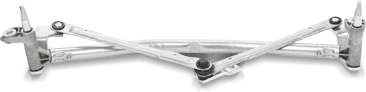
AIC 58804 Wiper LinkageFitting Position: Front; Supplementary Article / Supplementary Info: without electric motor; Left-/right-hand drive vehicles: for left-hand drive vehicles; Production date to: 19.07.2018; Guarantee: 5 years guarantee or up to 75,000km51,49 £*Shipping: 8,45 £Secure redirect to the provider
-
What is genetic linkage 2?
Genetic linkage 2 refers to the phenomenon where two genes are located close to each other on the same chromosome, resulting in a higher likelihood of them being inherited together. This means that these genes are less likely to undergo independent assortment during meiosis. Genetic linkage 2 can be measured by the frequency of recombination events between the two genes, with a lower frequency indicating stronger linkage. This concept is important in genetic studies as it can help determine the relative positions of genes on a chromosome and can be used to create genetic maps. **
-
What is better for genealogy research, Ancestry or MyHeritage?
Both Ancestry and MyHeritage are popular genealogy research platforms, and the choice between the two ultimately depends on individual preferences and needs. Ancestry has a larger database of historical records and documents, making it a great choice for those looking to delve deep into their family history. On the other hand, MyHeritage offers a more global approach, with a focus on international records and DNA testing. Both platforms have their own unique features and strengths, so it's best to explore both and see which one aligns best with your research goals. **
-
Can you explain linkage in genetics?
Linkage in genetics refers to the tendency of genes that are located close to each other on a chromosome to be inherited together. This is because these genes are physically linked and are less likely to be separated during the process of genetic recombination. The closer two genes are on a chromosome, the lower the chance that they will be separated by crossing over events during meiosis. Linkage can be used to map the relative positions of genes on a chromosome and is an important concept in understanding inheritance patterns. **
-
What is more useful for genealogy research: Ancestry or MyHeritage?
Both Ancestry and MyHeritage are useful for genealogy research, but they have different strengths. Ancestry has a larger database of historical records and documents, making it a valuable resource for building family trees and finding historical records. On the other hand, MyHeritage offers a more global approach with a focus on international records and DNA testing, making it useful for those with ancestors from outside the United States. Ultimately, the choice between the two depends on the specific needs and research goals of the individual genealogist. **
Similar search terms for Linkage
-
Which DNA tests are best for genealogy research?
The best DNA tests for genealogy research are those offered by AncestryDNA, 23andMe, and MyHeritage. These tests provide a wide range of genetic information and have large databases for matching with potential relatives. AncestryDNA and 23andMe are particularly popular for their extensive databases and comprehensive ancestry reports, while MyHeritage offers a unique feature of matching with individuals who have uploaded their DNA data from other testing companies. Overall, these tests are highly recommended for genealogy research due to their accuracy and the potential for finding genetic relatives. **
-
How can one conduct genealogy research using DNA tests?
To conduct genealogy research using DNA tests, one can start by choosing a reputable DNA testing company and ordering a DNA test kit. Once the kit arrives, follow the instructions to collect a DNA sample, typically through a saliva sample. After sending the sample back to the company, wait for the results to be processed. The results will provide information about one's genetic ethnicity and potential matches with other individuals who share DNA. By comparing these matches with known family history and genealogy records, one can potentially uncover new information about their ancestry and family connections. **
-
How to draw trehalose in a 2-11 glycosidic linkage?
To draw trehalose in a 2-11 glycosidic linkage, start by drawing two glucose molecules. Connect the first glucose molecule's carbon 2 to the second glucose molecule's carbon 1 with a glycosidic bond. This linkage represents the 2-1 glycosidic bond. Next, add another glucose molecule and connect its carbon 1 to the second glucose molecule's carbon 1 with a glycosidic bond. This linkage represents the 1-1 glycosidic bond. This structure represents trehalose in a 2-1,1 glycosidic linkage. **
-
How do I recognize gene linkage in a genetic cross diagram?
Gene linkage in a genetic cross diagram can be recognized when two or more genes are inherited together more frequently than what would be expected based on independent assortment. This is because linked genes are located close to each other on the same chromosome and tend to be inherited together. In a genetic cross diagram, you may notice that certain combinations of traits appear more frequently than others, indicating that those genes are linked. Additionally, if the offspring do not show the expected 9:3:3:1 phenotypic ratio, it could suggest gene linkage. **
* All prices are inclusive of VAT and, if applicable, plus shipping costs. The offer information is based on the details provided by the respective shop and is updated through automated processes. Real-time updates do not occur, so deviations can occur in individual cases. ** Note: Parts of this content were created by AI.