Buy familysearch.eu ?
We are moving the project
familysearch.eu .
Are you interested in purchasing the domain
familysearch.eu ?
domain@kv-gmbh.de · 0541-91531010
Buy familysearch.eu ?
What is better for genealogy research, Ancestry or MyHeritage?
Both Ancestry and MyHeritage are popular genealogy research platforms, and the choice between the two ultimately depends on individual preferences and needs. Ancestry has a larger database of historical records and documents, making it a great choice for those looking to delve deep into their family history. On the other hand, MyHeritage offers a more global approach, with a focus on international records and DNA testing. Both platforms have their own unique features and strengths, so it's best to explore both and see which one aligns best with your research goals. **
What is more useful for genealogy research: Ancestry or MyHeritage?
Both Ancestry and MyHeritage are useful for genealogy research, but they have different strengths. Ancestry has a larger database of historical records and documents, making it a valuable resource for building family trees and finding historical records. On the other hand, MyHeritage offers a more global approach with a focus on international records and DNA testing, making it useful for those with ancestors from outside the United States. Ultimately, the choice between the two depends on the specific needs and research goals of the individual genealogist. **
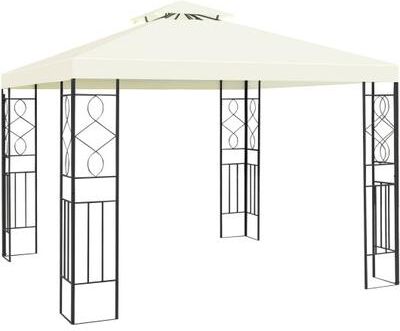
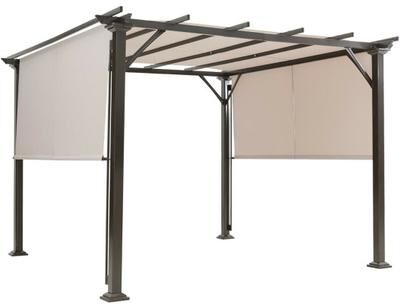
Similar search terms for Costway-10-Feet-Patio
Top-Angebote
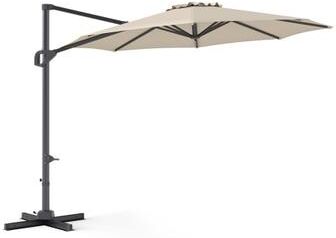
Products related to Costway-10-Feet-Patio:


-
Will my feet grow another 10 centimeters?
It is highly unlikely that your feet will grow another 10 centimeters. By the time most people reach adulthood, their feet have stopped growing. While it is possible for some individuals to experience slight changes in foot size due to factors such as weight gain or pregnancy, a 10 centimeter increase in foot size would be extremely rare. If you are concerned about your foot size, it is best to consult with a medical professional for personalized advice. **
-
Which DNA tests are best for genealogy research?
The best DNA tests for genealogy research are those offered by AncestryDNA, 23andMe, and MyHeritage. These tests provide a wide range of genetic information and have large databases for matching with potential relatives. AncestryDNA and 23andMe are particularly popular for their extensive databases and comprehensive ancestry reports, while MyHeritage offers a unique feature of matching with individuals who have uploaded their DNA data from other testing companies. Overall, these tests are highly recommended for genealogy research due to their accuracy and the potential for finding genetic relatives. **
-
How can one conduct genealogy research using DNA tests?
To conduct genealogy research using DNA tests, one can start by choosing a reputable DNA testing company and ordering a DNA test kit. Once the kit arrives, follow the instructions to collect a DNA sample, typically through a saliva sample. After sending the sample back to the company, wait for the results to be processed. The results will provide information about one's genetic ethnicity and potential matches with other individuals who share DNA. By comparing these matches with known family history and genealogy records, one can potentially uncover new information about their ancestry and family connections. **
-
How do I remove stains from light-colored patio slabs and patio tiles?
To remove stains from light-colored patio slabs and tiles, you can start by using a mixture of water and mild dish soap to scrub the affected areas. For tougher stains, you can try using a solution of equal parts water and white vinegar or a commercial patio cleaner. Apply the solution to the stains and let it sit for a few minutes before scrubbing with a brush or sponge. Rinse the area thoroughly with water and repeat the process if necessary. Additionally, you can use a pressure washer for more stubborn stains, but be sure to use it on a low setting to avoid damaging the patio surface. **


May I remove patio tiles?
Yes, you may remove patio tiles, but it's important to consider a few things before doing so. First, check with your landlord or local building codes to ensure that you are allowed to make alterations to the patio. Additionally, be prepared for the potential cost and effort involved in removing the tiles, as well as the possibility of needing to replace them with new tiles or another type of flooring. Finally, consider the impact that removing the tiles may have on the overall appearance and functionality of the patio. **
Why doesn't patio sand dry?
Patio sand does not dry easily because it is often compacted and lacks proper drainage. The compacted nature of patio sand prevents air and water from circulating freely, inhibiting the drying process. Additionally, if the sand is in a shaded area or receives little sunlight, it may take longer to dry. Finally, if the sand is constantly exposed to moisture from rain or irrigation, it will struggle to dry completely. **
Top-Angebote
Products related to Costway-10-Feet-Patio:
-
What is better for genealogy research, Ancestry or MyHeritage?
Both Ancestry and MyHeritage are popular genealogy research platforms, and the choice between the two ultimately depends on individual preferences and needs. Ancestry has a larger database of historical records and documents, making it a great choice for those looking to delve deep into their family history. On the other hand, MyHeritage offers a more global approach, with a focus on international records and DNA testing. Both platforms have their own unique features and strengths, so it's best to explore both and see which one aligns best with your research goals. **
-
What is more useful for genealogy research: Ancestry or MyHeritage?
Both Ancestry and MyHeritage are useful for genealogy research, but they have different strengths. Ancestry has a larger database of historical records and documents, making it a valuable resource for building family trees and finding historical records. On the other hand, MyHeritage offers a more global approach with a focus on international records and DNA testing, making it useful for those with ancestors from outside the United States. Ultimately, the choice between the two depends on the specific needs and research goals of the individual genealogist. **
-
Will my feet grow another 10 centimeters?
It is highly unlikely that your feet will grow another 10 centimeters. By the time most people reach adulthood, their feet have stopped growing. While it is possible for some individuals to experience slight changes in foot size due to factors such as weight gain or pregnancy, a 10 centimeter increase in foot size would be extremely rare. If you are concerned about your foot size, it is best to consult with a medical professional for personalized advice. **
-
Which DNA tests are best for genealogy research?
The best DNA tests for genealogy research are those offered by AncestryDNA, 23andMe, and MyHeritage. These tests provide a wide range of genetic information and have large databases for matching with potential relatives. AncestryDNA and 23andMe are particularly popular for their extensive databases and comprehensive ancestry reports, while MyHeritage offers a unique feature of matching with individuals who have uploaded their DNA data from other testing companies. Overall, these tests are highly recommended for genealogy research due to their accuracy and the potential for finding genetic relatives. **
Similar search terms for Costway-10-Feet-Patio
-
How can one conduct genealogy research using DNA tests?
To conduct genealogy research using DNA tests, one can start by choosing a reputable DNA testing company and ordering a DNA test kit. Once the kit arrives, follow the instructions to collect a DNA sample, typically through a saliva sample. After sending the sample back to the company, wait for the results to be processed. The results will provide information about one's genetic ethnicity and potential matches with other individuals who share DNA. By comparing these matches with known family history and genealogy records, one can potentially uncover new information about their ancestry and family connections. **
-
How do I remove stains from light-colored patio slabs and patio tiles?
To remove stains from light-colored patio slabs and tiles, you can start by using a mixture of water and mild dish soap to scrub the affected areas. For tougher stains, you can try using a solution of equal parts water and white vinegar or a commercial patio cleaner. Apply the solution to the stains and let it sit for a few minutes before scrubbing with a brush or sponge. Rinse the area thoroughly with water and repeat the process if necessary. Additionally, you can use a pressure washer for more stubborn stains, but be sure to use it on a low setting to avoid damaging the patio surface. **
-
May I remove patio tiles?
Yes, you may remove patio tiles, but it's important to consider a few things before doing so. First, check with your landlord or local building codes to ensure that you are allowed to make alterations to the patio. Additionally, be prepared for the potential cost and effort involved in removing the tiles, as well as the possibility of needing to replace them with new tiles or another type of flooring. Finally, consider the impact that removing the tiles may have on the overall appearance and functionality of the patio. **
-
Why doesn't patio sand dry?
Patio sand does not dry easily because it is often compacted and lacks proper drainage. The compacted nature of patio sand prevents air and water from circulating freely, inhibiting the drying process. Additionally, if the sand is in a shaded area or receives little sunlight, it may take longer to dry. Finally, if the sand is constantly exposed to moisture from rain or irrigation, it will struggle to dry completely. **
* All prices are inclusive of VAT and, if applicable, plus shipping costs. The offer information is based on the details provided by the respective shop and is updated through automated processes. Real-time updates do not occur, so deviations can occur in individual cases. ** Note: Parts of this content were created by AI.