Buy familysearch.eu ?
We are moving the project
familysearch.eu .
Are you interested in purchasing the domain
familysearch.eu ?
domain@kv-gmbh.de · 0541-91531010
Buy familysearch.eu ?
How can you remove an Allen screw without an Allen wrench?
One way to remove an Allen screw without an Allen wrench is to use a small flathead screwdriver that fits snugly into the screw head. You can also try using a small pair of needle-nose pliers to grip the edges of the screw and turn it. Another option is to use a rotary tool with a cutting wheel to carefully cut a slot into the screw head, allowing you to use a flathead screwdriver to remove it. If all else fails, you can try using a small drill bit to carefully drill out the center of the screw, making it easier to remove. **
How can one conduct genealogy research using DNA tests?
To conduct genealogy research using DNA tests, one can start by choosing a reputable DNA testing company and ordering a DNA test kit. Once the kit arrives, follow the instructions to collect a DNA sample, typically through a saliva sample. After sending the sample back to the company, wait for the results to be processed. The results will provide information about one's genetic ethnicity and potential matches with other individuals who share DNA. By comparing these matches with known family history and genealogy records, one can potentially uncover new information about their ancestry and family connections. **


Similar search terms for Allen-and-Unwin-How
Top-Angebote
Products related to Allen-and-Unwin-How:
-
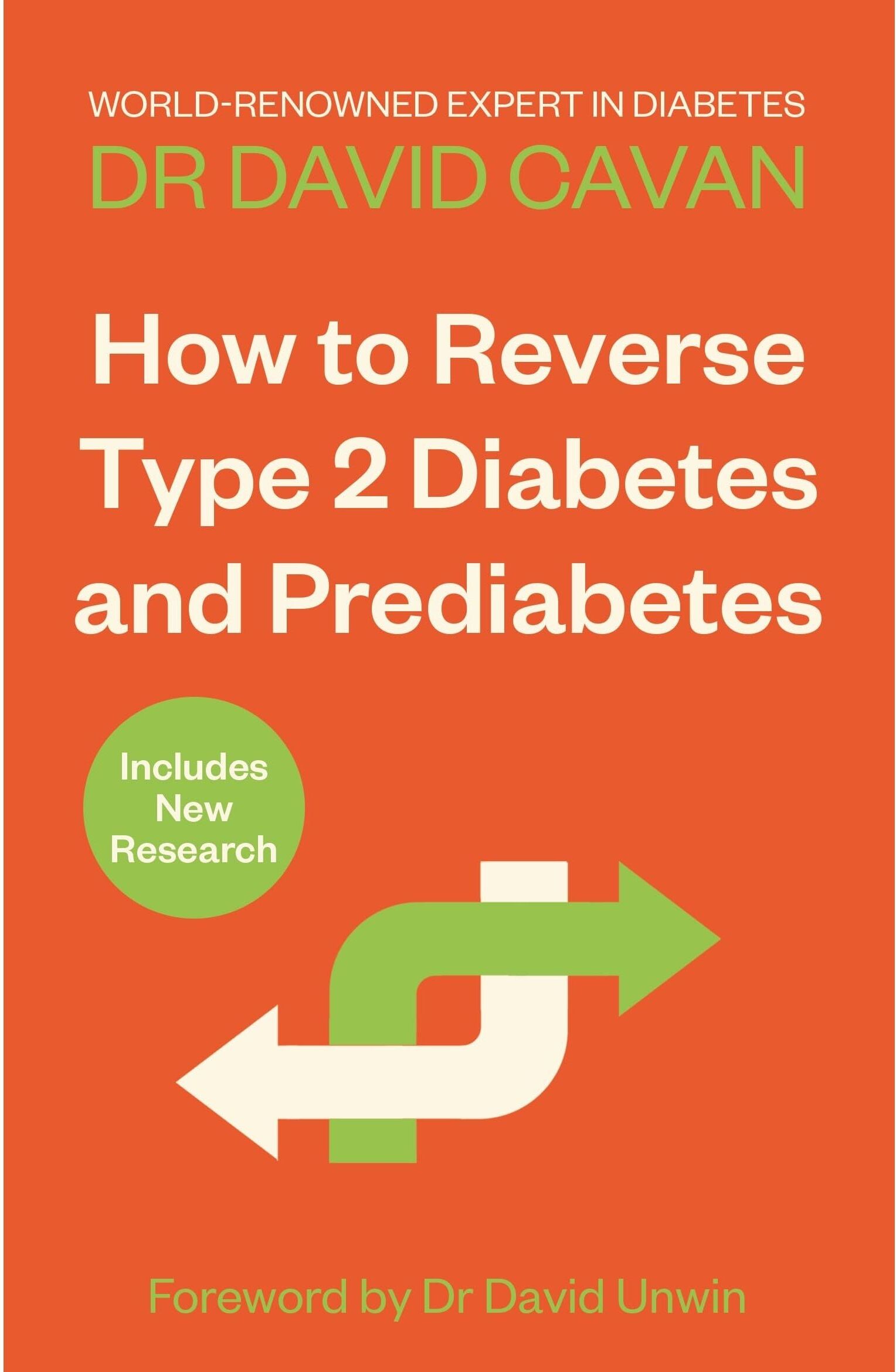
Allen and Unwin How To Reverse Type 2 Diabetes and Prediabetes: The Definitive Guide from the World-renowned Diabetes ExpertHow to Reverse Type 2 Diabetes and Prediabetes provides an effective and evidence-based approach to guide people with type 2 diabetes and prediabetes towards a healthier future. Focusing on the lifestyle changes that help reverse the diabetes disease process, the book will be an invaluable source of hope and inspiration for the millions of people with type 2 diabetes and prediabetes around the world. Drawing upon Dr Cavan's extensive research into diabetes management and his professional experience, How to Reverse Type 2 Diabetes and Prediabetes reveals the latest scientific evidence behind his innovative approach in helping people reverse their diabetes, providing specific advice for people with prediabetes as well as those with type 2 diabetes. Explaining in easy-to-understand terms how today's lifestyles are driving millions of people into prediabetes and then on to developing type 2 diabetes, the author then describes the changes we can make to halt the process in its tracks, and help people turn around their health to look forward to a future free from diabetes. Advocating a diet based on healthy fresh foods that avoids sugars, refined carbohydrates and other highly processed foods, and with simple suggestions for how to incorporate physical activity into the daily routine, this accessible guide shows us sustainable and achievable ways of adjusting our lifestyles to reverse prediabetes and type 2 diabetes, authenticated with first-hand testimonies from people who in following Dr Cavan's evidence-based approach have already done just that.4,99 £*Shipping: 1,99 £Secure redirect to the provider
-
Allen & Unwin How to Run an Indie Label by Alan McGee - Hardback Memoir - The Man Who Discovered Oasis Tells the Story of Creation RecordsHow to Run an Indie Label is Alan McGee's riotous, first-hand account of building Creation Records from nothing into the label that gave the world Oasis, Primal Scream, My Bloody Valentine, and The Jesus and Mary Chain. Part memoir, part music-industry masterclass, it is a candid, funny, and unflinching look at gigs, clubs, boardrooms, drugs, and booze, told by one of British music's great mavericks. Fans of music biography and the story of UK indie culture will find this an essential, hugely entertaining read. Alan McGee founded Creation Records determined to build a label with as much rock'n'roll spirit as the bands on its roster, and this book is the wild, warts-and-all story of how he did it. From a rough upbringing in Glasgow, through his early days hanging around Rough Trade and learning the ropes of the record business, McGee charts his journey from penniless beginnings to becoming a central figure in the UK music scene. This hardback edition, published by Allen & Unwin, offers a complete look at the grit and glory of the indie music world.15,99 £*Shipping: 2,99 £Secure redirect to the provider
-
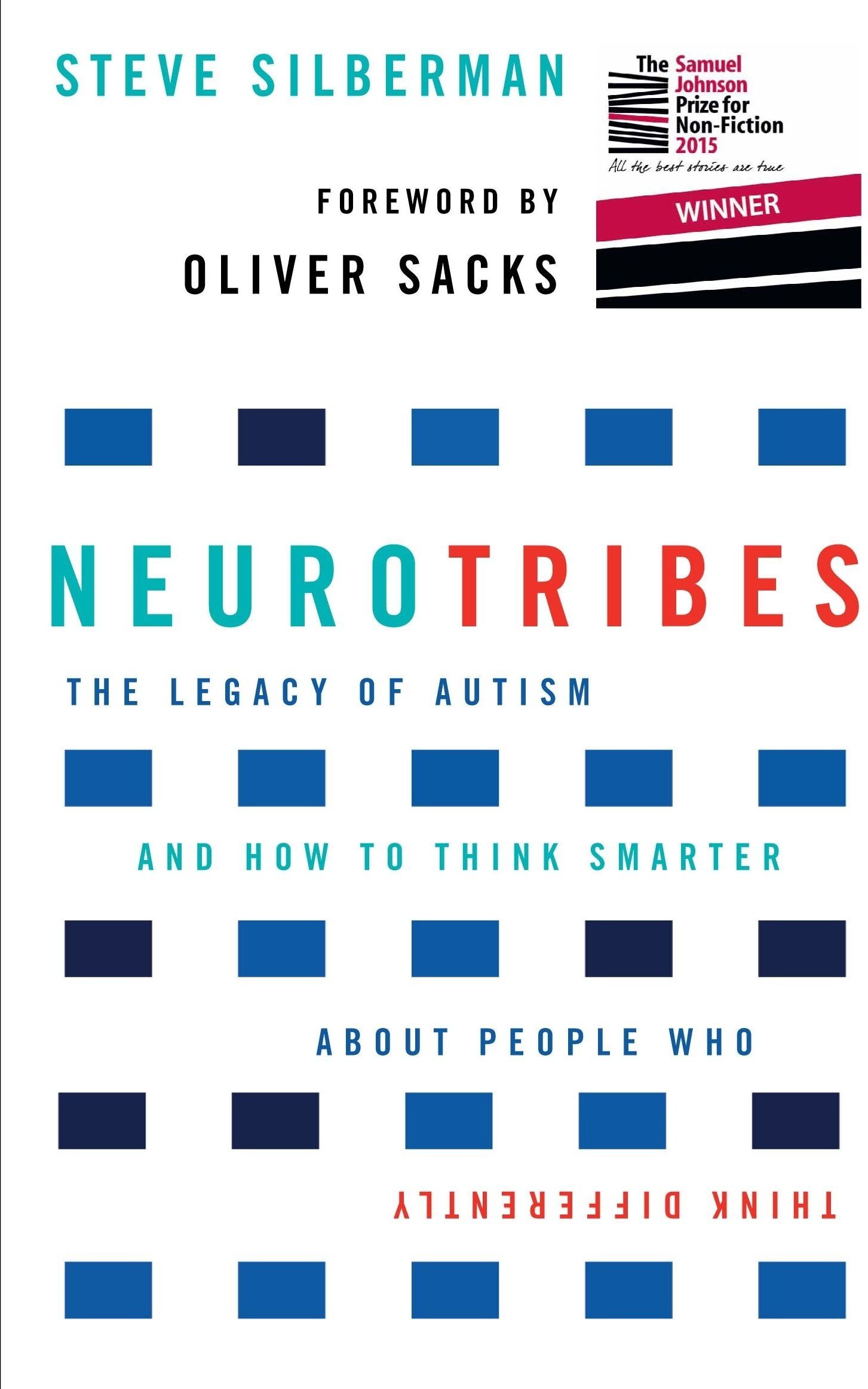
Allen and Unwin NeuroTribes: Winner of the Samuel Johnson Prize for NonfictionWhat is autism: a devastating developmental condition, a lifelong disability, or a naturally occurring form of cognitive difference akin to certain forms of genius? In truth, it is all of these things and more - and the future of our society depends on our understanding it. Following on from his groundbreaking article 'The Geek Syndrome', Wired reporter Steve Silberman unearths the secret history of autism, long suppressed by the same clinicians who became famous for discovering it, and finds surprising answers to the crucial question of why the number of diagnoses has soared in recent years. Going back to the earliest autism research and chronicling the brave and lonely journey of autistic people and their families through the decades, Silberman provides long-sought solutions to the autism puzzle while casting light on the growing movement of 'neurodiversity' and mapping out a path towards a more humane world for people with learning differences.7,95 £*Shipping: 2,99 £Secure redirect to the provider


-
What is better for genealogy research, Ancestry or MyHeritage?
Both Ancestry and MyHeritage are popular genealogy research platforms, and the choice between the two ultimately depends on individual preferences and needs. Ancestry has a larger database of historical records and documents, making it a great choice for those looking to delve deep into their family history. On the other hand, MyHeritage offers a more global approach, with a focus on international records and DNA testing. Both platforms have their own unique features and strengths, so it's best to explore both and see which one aligns best with your research goals. **
-
What is more useful for genealogy research: Ancestry or MyHeritage?
Both Ancestry and MyHeritage are useful for genealogy research, but they have different strengths. Ancestry has a larger database of historical records and documents, making it a valuable resource for building family trees and finding historical records. On the other hand, MyHeritage offers a more global approach with a focus on international records and DNA testing, making it useful for those with ancestors from outside the United States. Ultimately, the choice between the two depends on the specific needs and research goals of the individual genealogist. **
-
Which DNA tests are best for genealogy research?
The best DNA tests for genealogy research are those offered by AncestryDNA, 23andMe, and MyHeritage. These tests provide a wide range of genetic information and have large databases for matching with potential relatives. AncestryDNA and 23andMe are particularly popular for their extensive databases and comprehensive ancestry reports, while MyHeritage offers a unique feature of matching with individuals who have uploaded their DNA data from other testing companies. Overall, these tests are highly recommended for genealogy research due to their accuracy and the potential for finding genetic relatives. **
-
Where and how do I dispose of excess screws and Allen keys?
Excess screws and Allen keys can be disposed of at a local recycling center or metal scrap yard. Many recycling centers accept metal items for recycling, and Allen keys and screws can be included in this category. If the screws and Allen keys are still in good condition, consider donating them to a local hardware store or community organization that may have a use for them. If none of these options are available, check with your local waste management facility for proper disposal instructions. **
Can DNA tests for genealogy research be conducted at public universities and institutes?
Yes, DNA tests for genealogy research can be conducted at public universities and institutes. Many public universities and research institutions have the necessary facilities and expertise to conduct DNA testing for genealogy purposes. These institutions often have specialized labs and researchers who can analyze DNA samples to provide information about an individual's ancestry and genetic heritage. Additionally, public universities and institutes may also offer educational programs and resources for individuals interested in learning more about genetic genealogy and DNA testing. **
Don't the Jergmann and Allen rules contradict each other?
The Jergmann and Allen rules are both guidelines for determining the appropriate use of capitalization in titles. While they may appear to contradict each other at first glance, they actually address different types of titles. The Jergmann rule applies to formal titles, such as those of books, articles, and essays, while the Allen rule applies to informal titles, such as those of blog posts, social media posts, and email subject lines. By understanding the context and purpose of each rule, writers can apply them appropriately to ensure consistent and accurate capitalization in their writing. **
Top-Angebote
Products related to Allen-and-Unwin-How:
-
Allen and Unwin How To Reverse Type 2 Diabetes and Prediabetes: The Definitive Guide from the World-renowned Diabetes ExpertHow to Reverse Type 2 Diabetes and Prediabetes provides an effective and evidence-based approach to guide people with type 2 diabetes and prediabetes towards a healthier future. Focusing on the lifestyle changes that help reverse the diabetes disease process, the book will be an invaluable source of hope and inspiration for the millions of people with type 2 diabetes and prediabetes around the world. Drawing upon Dr Cavan's extensive research into diabetes management and his professional experience, How to Reverse Type 2 Diabetes and Prediabetes reveals the latest scientific evidence behind his innovative approach in helping people reverse their diabetes, providing specific advice for people with prediabetes as well as those with type 2 diabetes. Explaining in easy-to-understand terms how today's lifestyles are driving millions of people into prediabetes and then on to developing type 2 diabetes, the author then describes the changes we can make to halt the process in its tracks, and help people turn around their health to look forward to a future free from diabetes. Advocating a diet based on healthy fresh foods that avoids sugars, refined carbohydrates and other highly processed foods, and with simple suggestions for how to incorporate physical activity into the daily routine, this accessible guide shows us sustainable and achievable ways of adjusting our lifestyles to reverse prediabetes and type 2 diabetes, authenticated with first-hand testimonies from people who in following Dr Cavan's evidence-based approach have already done just that.4,99 £*Shipping: 1,99 £Secure redirect to the provider
-
Allen & Unwin How to Run an Indie Label by Alan McGee - Hardback Memoir - The Man Who Discovered Oasis Tells the Story of Creation RecordsHow to Run an Indie Label is Alan McGee's riotous, first-hand account of building Creation Records from nothing into the label that gave the world Oasis, Primal Scream, My Bloody Valentine, and The Jesus and Mary Chain. Part memoir, part music-industry masterclass, it is a candid, funny, and unflinching look at gigs, clubs, boardrooms, drugs, and booze, told by one of British music's great mavericks. Fans of music biography and the story of UK indie culture will find this an essential, hugely entertaining read. Alan McGee founded Creation Records determined to build a label with as much rock'n'roll spirit as the bands on its roster, and this book is the wild, warts-and-all story of how he did it. From a rough upbringing in Glasgow, through his early days hanging around Rough Trade and learning the ropes of the record business, McGee charts his journey from penniless beginnings to becoming a central figure in the UK music scene. This hardback edition, published by Allen & Unwin, offers a complete look at the grit and glory of the indie music world.15,99 £*Shipping: 2,99 £Secure redirect to the provider
-
How can you remove an Allen screw without an Allen wrench?
One way to remove an Allen screw without an Allen wrench is to use a small flathead screwdriver that fits snugly into the screw head. You can also try using a small pair of needle-nose pliers to grip the edges of the screw and turn it. Another option is to use a rotary tool with a cutting wheel to carefully cut a slot into the screw head, allowing you to use a flathead screwdriver to remove it. If all else fails, you can try using a small drill bit to carefully drill out the center of the screw, making it easier to remove. **
-
How can one conduct genealogy research using DNA tests?
To conduct genealogy research using DNA tests, one can start by choosing a reputable DNA testing company and ordering a DNA test kit. Once the kit arrives, follow the instructions to collect a DNA sample, typically through a saliva sample. After sending the sample back to the company, wait for the results to be processed. The results will provide information about one's genetic ethnicity and potential matches with other individuals who share DNA. By comparing these matches with known family history and genealogy records, one can potentially uncover new information about their ancestry and family connections. **
-
What is better for genealogy research, Ancestry or MyHeritage?
Both Ancestry and MyHeritage are popular genealogy research platforms, and the choice between the two ultimately depends on individual preferences and needs. Ancestry has a larger database of historical records and documents, making it a great choice for those looking to delve deep into their family history. On the other hand, MyHeritage offers a more global approach, with a focus on international records and DNA testing. Both platforms have their own unique features and strengths, so it's best to explore both and see which one aligns best with your research goals. **
-
What is more useful for genealogy research: Ancestry or MyHeritage?
Both Ancestry and MyHeritage are useful for genealogy research, but they have different strengths. Ancestry has a larger database of historical records and documents, making it a valuable resource for building family trees and finding historical records. On the other hand, MyHeritage offers a more global approach with a focus on international records and DNA testing, making it useful for those with ancestors from outside the United States. Ultimately, the choice between the two depends on the specific needs and research goals of the individual genealogist. **
Similar search terms for Allen-and-Unwin-How
-
Allen and Unwin NeuroTribes: Winner of the Samuel Johnson Prize for NonfictionWhat is autism: a devastating developmental condition, a lifelong disability, or a naturally occurring form of cognitive difference akin to certain forms of genius? In truth, it is all of these things and more - and the future of our society depends on our understanding it. Following on from his groundbreaking article 'The Geek Syndrome', Wired reporter Steve Silberman unearths the secret history of autism, long suppressed by the same clinicians who became famous for discovering it, and finds surprising answers to the crucial question of why the number of diagnoses has soared in recent years. Going back to the earliest autism research and chronicling the brave and lonely journey of autistic people and their families through the decades, Silberman provides long-sought solutions to the autism puzzle while casting light on the growing movement of 'neurodiversity' and mapping out a path towards a more humane world for people with learning differences.7,95 £*Shipping: 2,99 £Secure redirect to the provider
-
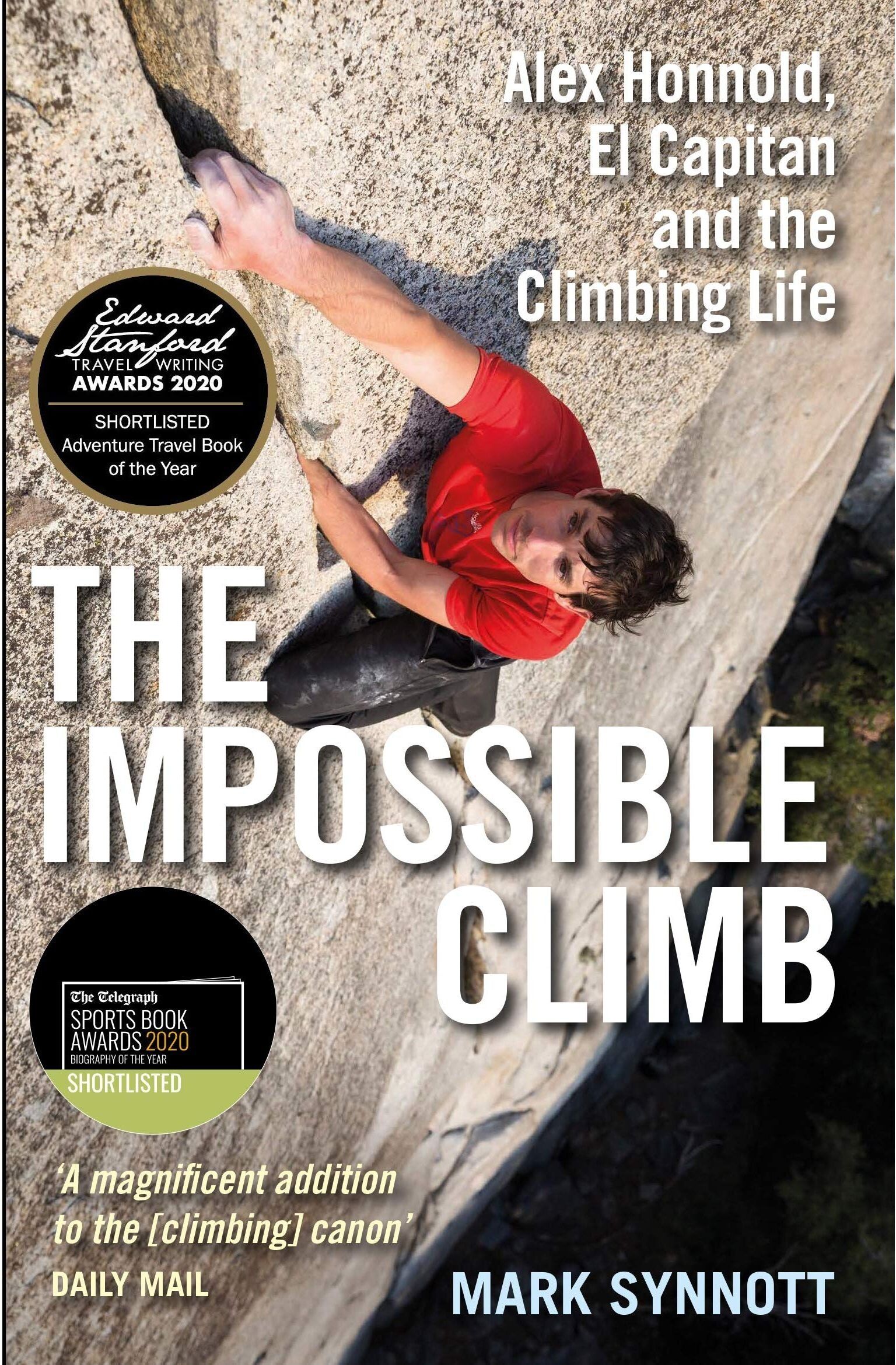
Allen and Unwin The Impossible Climb: Alex Honnold, El Capitan and the Climbing LifeOn June 3rd 2017, professional climber Mark Synnott was in Yosemite to witness something that only a handful of people knew was about to occur: his friend, Alex Honnold, was going to attempt to summit one of the world's most challenging ascents, a route called Freerider on the notorious rock formation El Capitan. It is an extraordinarily dangerous and difficult climb, and yet Alex was going to do it 'free solo'. Meaning no help. No partner. No equipment. No rope. Where a single small mistake would mean certain death. Indeed, to summit El Cap free solo was a feat likened to Neil Armstrong first walking on the moon. As Alex plots, rehearses and ultimately attempts his heart-stopping ascent, Mark also shares his own personal history of climbing, filled with triumphs, defeats and dilemmas, in this deeply reported, inspiring exhortation to live life to the fullest.9,99 £*Shipping: 2,99 £Secure redirect to the provider
-
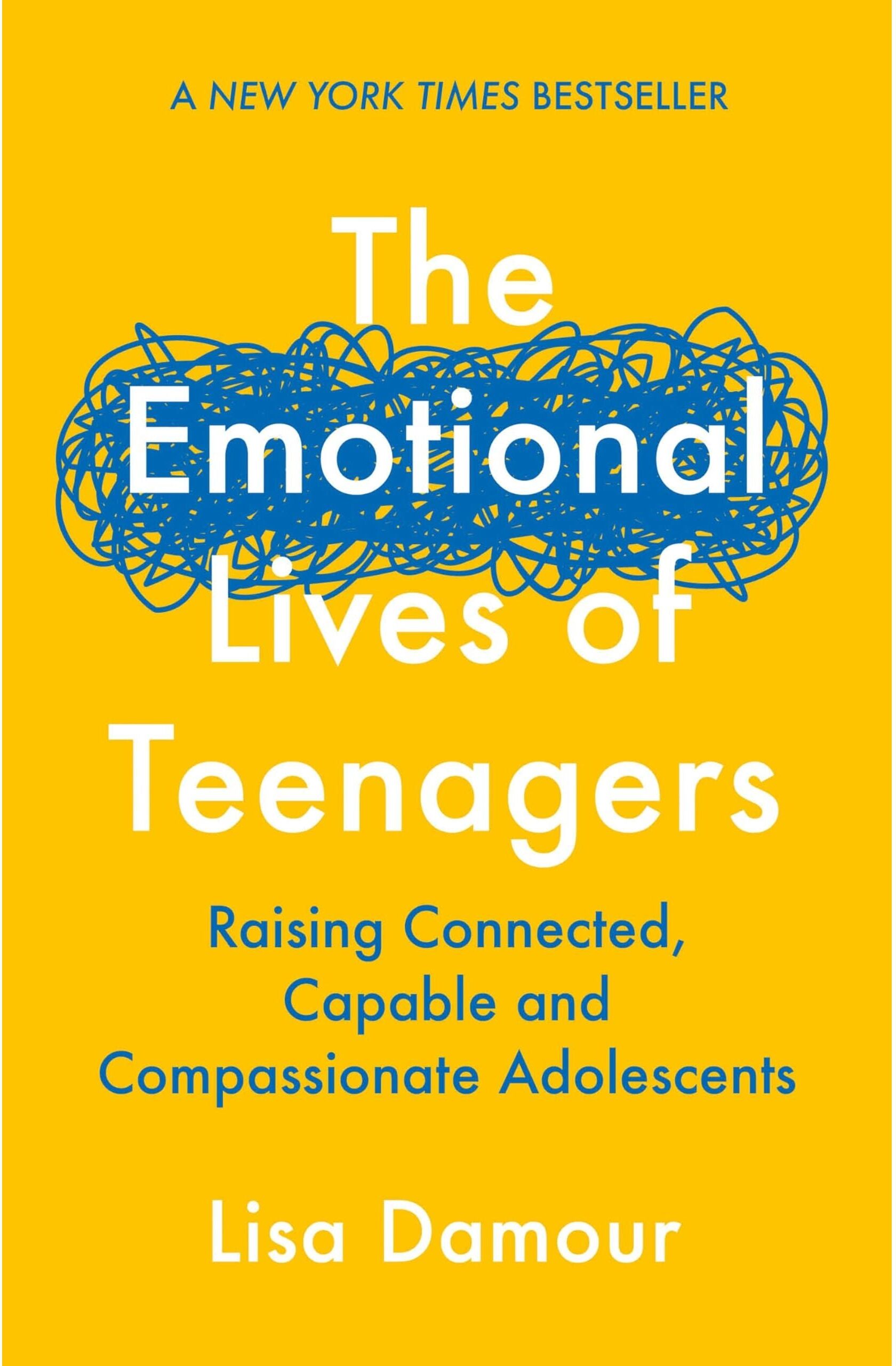
Allen and Unwin The Emotional Lives of Teenagers: Raising Connected, Capable and Compassionate AdolescentsThe Emotional Lives of Teenagers: Raising Connected, Capable and Compassionate Adolescents A New York Times bestseller!*An urgently needed guide to help parents understand their teenagers' intense and often fraught emotional lives - and how to support them through this critical developmental stage - from the New York Times bestselling author of Untangled and Under PressureIn teenagers, powerful emotions come with the territory. And with so many of today's teens contending with academic pressure, social media stress, worries about the future, and concerns about their own mental health, it's easy for them - and their parents - to feel anxious and overwhelmed. But it doesn't have to be that way. With clear, research-informed explanations alongside illuminating, real-life examples, The Emotional Lives of Teenagers gives parents the concrete, practical information they need to steady their teens through the bumpy yet transformational journey into adulthood.8,49 £*Shipping: 2,99 £Secure redirect to the provider
-
Which DNA tests are best for genealogy research?
The best DNA tests for genealogy research are those offered by AncestryDNA, 23andMe, and MyHeritage. These tests provide a wide range of genetic information and have large databases for matching with potential relatives. AncestryDNA and 23andMe are particularly popular for their extensive databases and comprehensive ancestry reports, while MyHeritage offers a unique feature of matching with individuals who have uploaded their DNA data from other testing companies. Overall, these tests are highly recommended for genealogy research due to their accuracy and the potential for finding genetic relatives. **
-
Where and how do I dispose of excess screws and Allen keys?
Excess screws and Allen keys can be disposed of at a local recycling center or metal scrap yard. Many recycling centers accept metal items for recycling, and Allen keys and screws can be included in this category. If the screws and Allen keys are still in good condition, consider donating them to a local hardware store or community organization that may have a use for them. If none of these options are available, check with your local waste management facility for proper disposal instructions. **
-
Can DNA tests for genealogy research be conducted at public universities and institutes?
Yes, DNA tests for genealogy research can be conducted at public universities and institutes. Many public universities and research institutions have the necessary facilities and expertise to conduct DNA testing for genealogy purposes. These institutions often have specialized labs and researchers who can analyze DNA samples to provide information about an individual's ancestry and genetic heritage. Additionally, public universities and institutes may also offer educational programs and resources for individuals interested in learning more about genetic genealogy and DNA testing. **
-
Don't the Jergmann and Allen rules contradict each other?
The Jergmann and Allen rules are both guidelines for determining the appropriate use of capitalization in titles. While they may appear to contradict each other at first glance, they actually address different types of titles. The Jergmann rule applies to formal titles, such as those of books, articles, and essays, while the Allen rule applies to informal titles, such as those of blog posts, social media posts, and email subject lines. By understanding the context and purpose of each rule, writers can apply them appropriately to ensure consistent and accurate capitalization in their writing. **
* All prices are inclusive of VAT and, if applicable, plus shipping costs. The offer information is based on the details provided by the respective shop and is updated through automated processes. Real-time updates do not occur, so deviations can occur in individual cases. ** Note: Parts of this content were created by AI.